
In the olive processing sector, installing an olive pitting machine can also yield significant returns, as it promotes advancements in mechanized fruit processing.
This Industrial Olive Pitter is designed to effectively remove olive pits, improving processing efficiency and product quality, whether on a small or industrial scale.
As we explain these seemingly complex operating principles, we also realize how this technology transcends established conventions.
When discussing the fruit processing aspects of the olive pitting machine, I will explain how it impacts yield, labor costs, and the quality consistency of finished and processed products.
This article will further reveal how this machine improves efficiency throughout the entire processing process by practically integrating agricultural and technological approaches.
What is an olive pitted cutter machine? How does it work?
Understanding the Workings of an Olive Pitting Machine
Using an olive pitting machine, the pit of high-quality olives is separated from the flesh through several different mechanical operations. The pitting process begins with the olives being placed in the press's hopper tray and neatly arranged into a queue.
As the olives move through the system, they encounter a series of blades or pitting elements that pierce the olive only at the pit, minimizing damage to the flesh.
More advanced machine models are equipped with sensors and variable settings to accommodate different olive shapes, maximizing pit extraction efficiency.
This allows the pits to be removed while the pitted olives move along a conveyor belt for further processing. This mechanism not only improves output efficiency but also protects the quality of the olive flesh, which is crucial for consumption or further processing.
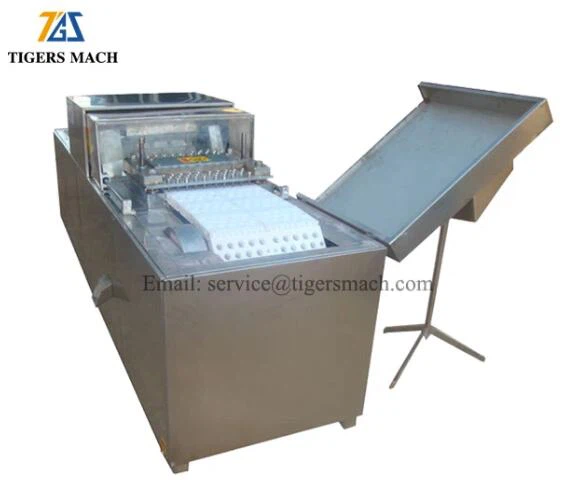
The Efficient Pit Removal Process
The creation of the modern Industrial Olive Pitter was a multi-stage process that involved an analysis of existing technologies and precision engineering.
First, a specially designed olive pitting machine utilizes an automated feed system to position the olives for pit removal.
The olives are then fed into a series of carefully calibrated alignment piercing devices to remove the pit without damaging the surrounding flesh. Adaptive modules used in the machine's operation also address requirements for sizing, measurement, and piercing accuracy.
The seamless integration of rapid sorting and precise pitting technology reduces waste and variability, resulting in high yields and high-quality products.
Explore the Various Types of Olive Pitting Machines
Olive pitted cutters come in a wide variety of styles, each with its own unique operating features. These include mechanical pitters, pneumatic pitting units, and advanced automated pitting systems.
Mechanical Olive Pitting Machines: These machines are sturdy and manually positioned. They feature a piercing head with an adjustable stud and are primarily designed for small to medium-sized growers.
Pneumatic Olive Pitting Machines: These machines utilize a pneumatic piston for high-speed, mass production.
These medium-sized machines utilize advanced technology to ensure precise pressure control, which helps minimize damage to edible tissue.
Industrial Olive Pitting Machines: These technologically advanced machines feature built-in sensors and a computer-controlled piston, enabling efficient large-scale production. They can adjust instantly to account for variations in olive size and ripeness. Basic specifications include: 1000-1100 pics/min
The sensors used for sizing are uniquely calibrated to allow for a 0.5 mm tolerance.
Each machine has its own unique advantages, and the choice depends on operational volume, production output, and available capital.
These factors determine the machine's engineering design, aiming for optimal productivity and product quality, which are crucial in olive oil production.


