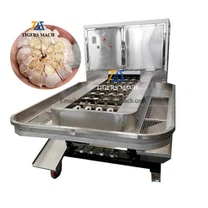
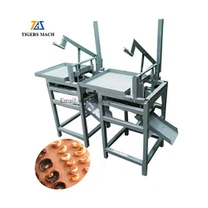
Maintaining your small chicken cutter machine properly is crucial for ensuring optimal performance, longevity, and food safety. Neglecting cleaning and maintenance can lead to decreased efficiency, dull blades, potential contamination, and ultimately, a shorter lifespan for your appliance. Here's a comprehensive guide on how to clean and maintain your small chicken cutter machine effectively:
Establishing a Regular Cleaning Schedule:
The frequency of cleaning depends on how often you use your machine. However, a general guideline is to clean it thoroughly after each use.
After Every Use: This is the most critical step. Immediately after you finish cutting chicken:
Turn Off and Unplug: Always ensure the machine is turned off and completely unplugged from the power outlet before commencing any cleaning procedures. This is paramount for your safety.
Disassemble Removable Parts: Carefully disassemble all removable components, such as blades, cutting guides, trays, and any other detachable parts, according to the manufacturer's instructions. This allows for thorough cleaning of all surfaces.
Rinse Off Loose Debris: Under running warm water, rinse each disassembled part to remove loose chicken pieces, fat, bone fragments, and any other residue. Use a gentle stream to avoid splashing.
Wash with Soap and Hot Water: Wash all removable parts with hot, soapy water. Use a non-abrasive sponge or brush to scrub away any remaining grease or food particles. Pay close attention to crevices and areas where food might get trapped.
Clean the Main Unit: Wipe down the main body of the small chicken cutter machine with a damp cloth and soapy water. Avoid getting water inside the motor housing or electrical components. For stubborn stains or grease, use a mild detergent.
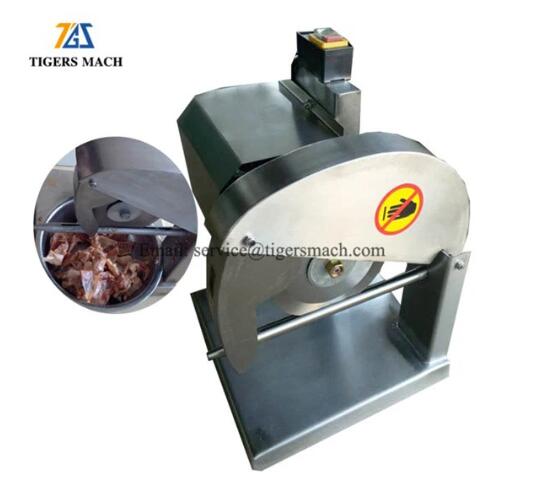
Rinse Thoroughly: Rinse all washed parts and the main unit thoroughly with clean, hot water to remove all traces of soap. Soap residue can affect the small chicken cutter machine's performance and potentially contaminate food.
Dry Completely: Allow all parts to air dry completely before reassembling. You can also use a clean, dry cloth to expedite the drying process. Ensure all moisture is gone to prevent rust or bacterial growth.
Periodic Deep Cleaning (e.g., Weekly or Monthly): Depending on usage, a more thorough deep clean might be necessary.
Inspect for Stubborn Residue: Check all parts for any hardened grease or food buildup.
Soaking (if applicable): Some manufacturers might recommend soaking certain non-electrical parts in hot, soapy water for a longer period to loosen stubborn residue. Refer to your machine's manual.
Use a Mild Degreaser (if necessary): For persistent grease, a mild, food-safe degreaser can be used. Ensure it is thoroughly rinsed off afterward.
Clean Hard-to-Reach Areas: Use a small brush or cotton swabs to clean any hard-to-reach corners or crevices where debris might accumulate.
Blade Care:
Keep Blades Sharp: Sharp blades are crucial for clean cuts and reduced strain on the motor (for electric models) or your manual effort. Depending on usage, blades may need occasional sharpening. Some machines have replaceable blades, while others might require professional sharpening. Refer to your manual for blade care instructions.
Inspect for Damage: Regularly inspect the blades for any chips, cracks, or bends. Damaged blades can be dangerous and affect cutting performance. Replace damaged blades immediately according to the manufacturer's guidelines.
Lubrication (if recommended): Some machines might require occasional lubrication of the blade mechanism or moving parts with a food-grade lubricant. Consult your manual for specific lubrication instructions.
Check for Loose Parts: Periodically inspect all screws, bolts, and other fasteners to ensure they are tight. Loose parts can affect the machine's stability and performance.
Inspect Power Cord and Connections (for electric models): Regularly check the power cord for any signs of damage, such as fraying or exposed wires. Ensure the plug fits securely into the outlet. A damaged power cord can be a safety hazard.
Proper Storage: When not in use, store your chicken cutter machine in a clean, dry place. If it came with a protective cover or case, use it to prevent dust and damage. Avoid storing it in areas with extreme temperatures or humidity.
Follow Manufacturer's Instructions: The most important aspect of cleaning and maintenance is to always refer to the specific instructions provided in your machine's user manual. Different models may have unique cleaning requirements and maintenance procedures.